
A Strategic Analysis of the Global and Dynamic 5G Service Market Share
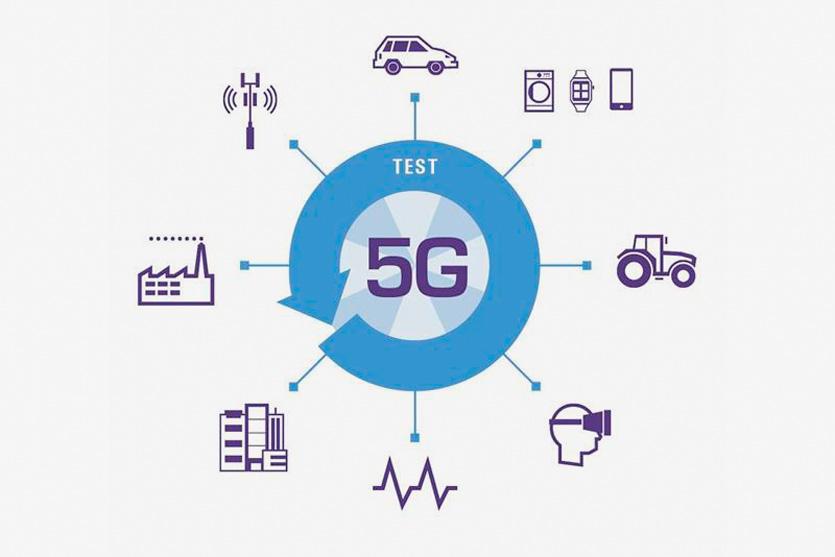
The competition for global 5G Service Market Share is primarily a battle waged between the major Mobile Network Operators (MNOs) within each specific country or region. Unlike the market for network equipment, which is global, the market for 5G services is inherently local, as it depends on the ownership of licensed spectrum and the deployment of physical network infrastructure within a specific geography. The market share is typically measured by the number of 5G subscribers or the total service revenue captured by each operator. The leaders in each country are the established telecommunications giants who have invested billions in acquiring spectrum and building their networks. In the U.S., this means the market share is a three-way contest between Verizon, AT&T, and T-Mobile, while in China, it is dominated by state-owned enterprises like China Mobile.
The strategies for capturing consumer market share revolve around several key factors. Network coverage and performance are the most critical. The operator with the broadest and most reliable 5G coverage, and the one that can deliver the fastest and most consistent speeds, has a powerful competitive advantage. MNOs are constantly publishing maps and running advertising campaigns to tout the superiority of their network. Pricing and plan structure are also key battlegrounds. Operators compete by offering a range of 5G plans at different price points, often bundling in other services like streaming video subscriptions (e.g., Netflix or Disney+) or cloud gaming access to add value and differentiate their offerings. Brand marketing and the quality of customer service also play a significant role in attracting and retaining subscribers in this highly competitive consumer market.
The battle for enterprise market share is a more complex and strategic endeavor. Here, MNOs are competing not just on price and speed, but on their ability to deliver customized, end-to-end solutions that solve specific business problems. The operator that can demonstrate a deep understanding of a particular industry vertical—such as manufacturing or logistics—and can offer a complete solution that includes not just connectivity but also edge computing, security, and application support, is more likely to win large enterprise contracts. This often involves building a strong ecosystem of partners, including systems integrators, cloud providers, and specialized software vendors. 5G Service Service Market is Estimated to Reach a Valuation of USD 488.56 Billion By 2035, Reaching at a CAGR of 25.33% During 2025 - 2035. Capturing a significant share of the lucrative enterprise market is essential for MNOs to achieve this growth.
Ultimately, the long-term winners in the 5G service market will be the operators who can successfully transition from being simple connectivity providers to becoming true digital service platforms. This means moving beyond just selling data plans and into selling higher-value, solution-oriented services. It requires a shift in mindset, skills, and business models. The operators who can build strong enterprise partnerships, develop innovative services like network slicing and private 5G, and effectively monetize the unique capabilities of their 5G networks will be the ones who capture the largest share of the market's future value. The race is on, not just to build the biggest network, but to build the smartest and most valuable service platform on top of it.
Explore Our Latest Trending Reports:

 Arabic
 French
 Spanish
 Portuguese
 Deutsch
 Turkish
 Dutch
Dutch
 Italiano
 Russian
 Romaian
 Portuguese (Brazil)
 Greek
Greek